What Is Scar Camouflage and Who Is It Suitable For?
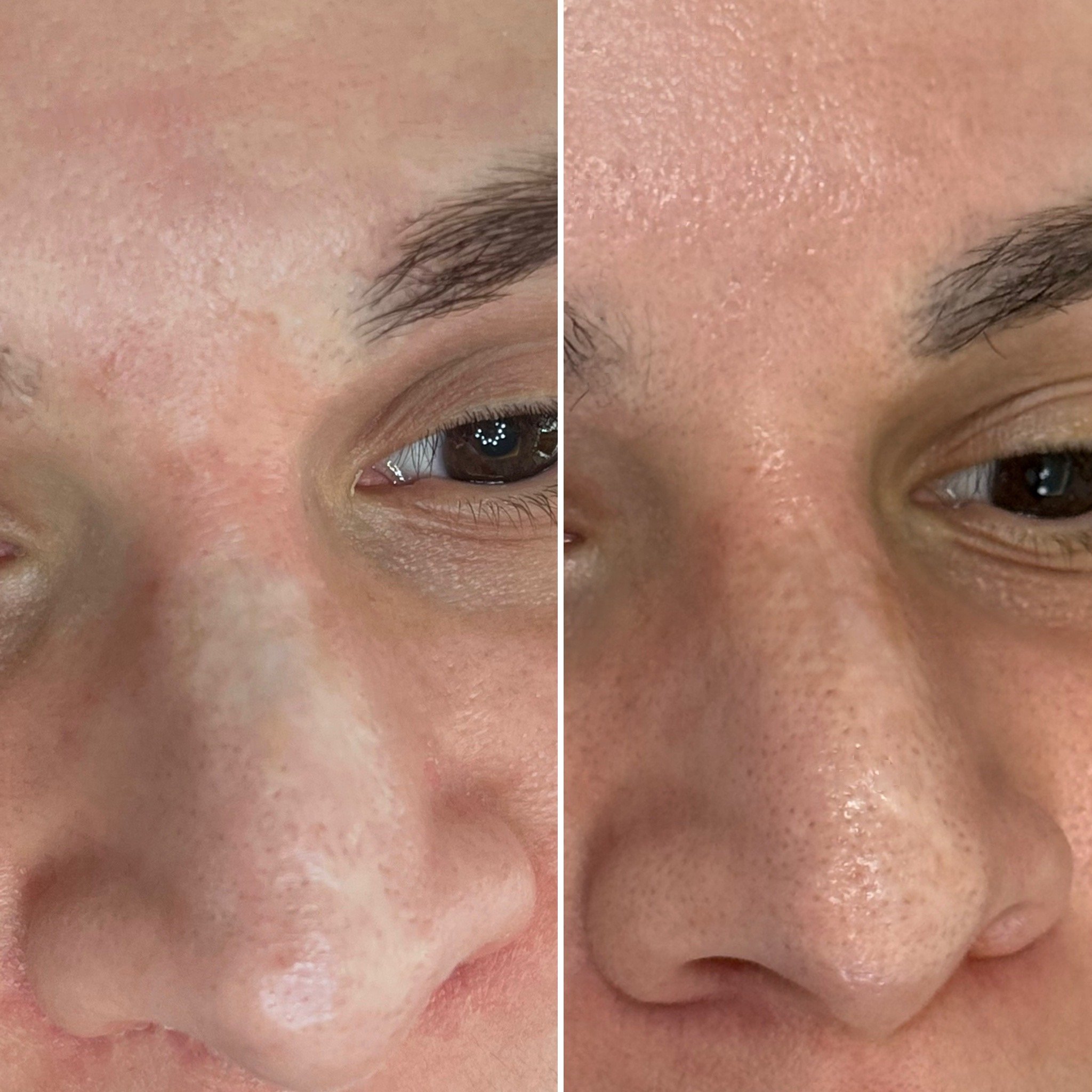
Scar camouflage before and after - paramedical micropigmentation at AK Paramedical Studio London
Scars tell stories, but not everyone wants theirs on display. Whether from surgery, trauma, burns or skin conditions, visible scarring can affect how people feel in their own skin. Scar camouflage is a paramedical micropigmentation technique that reduces the visual contrast between a scar and the surrounding healthy skin, creating a more even, natural appearance.
At AK Paramedical Studio in London, scar camouflage is one of the most frequently requested treatments. This guide explains how it works, who it is suitable for, and what results are realistically achievable.
How Scar Camouflage Works
Scar camouflage uses precisely matched pigments deposited into the upper layers of the skin to reduce the visible difference between scarred and unscarred tissue. Unlike decorative tattooing, the goal is not to add colour or design but to blend the scar into its surroundings so that it becomes far less noticeable.
The process begins with a detailed assessment of the scar: its age, texture, colour, location and how the skin has healed. A custom pigment blend is then mixed to match the client's natural skin tone as closely as possible.
Because scar tissue behaves differently from healthy skin - it absorbs pigment unevenly, heals at a different rate, and may have reduced blood supply - this procedure requires specialist training and experience. It is not a standard tattoo technique.
Types of Scars That Can Be Treated
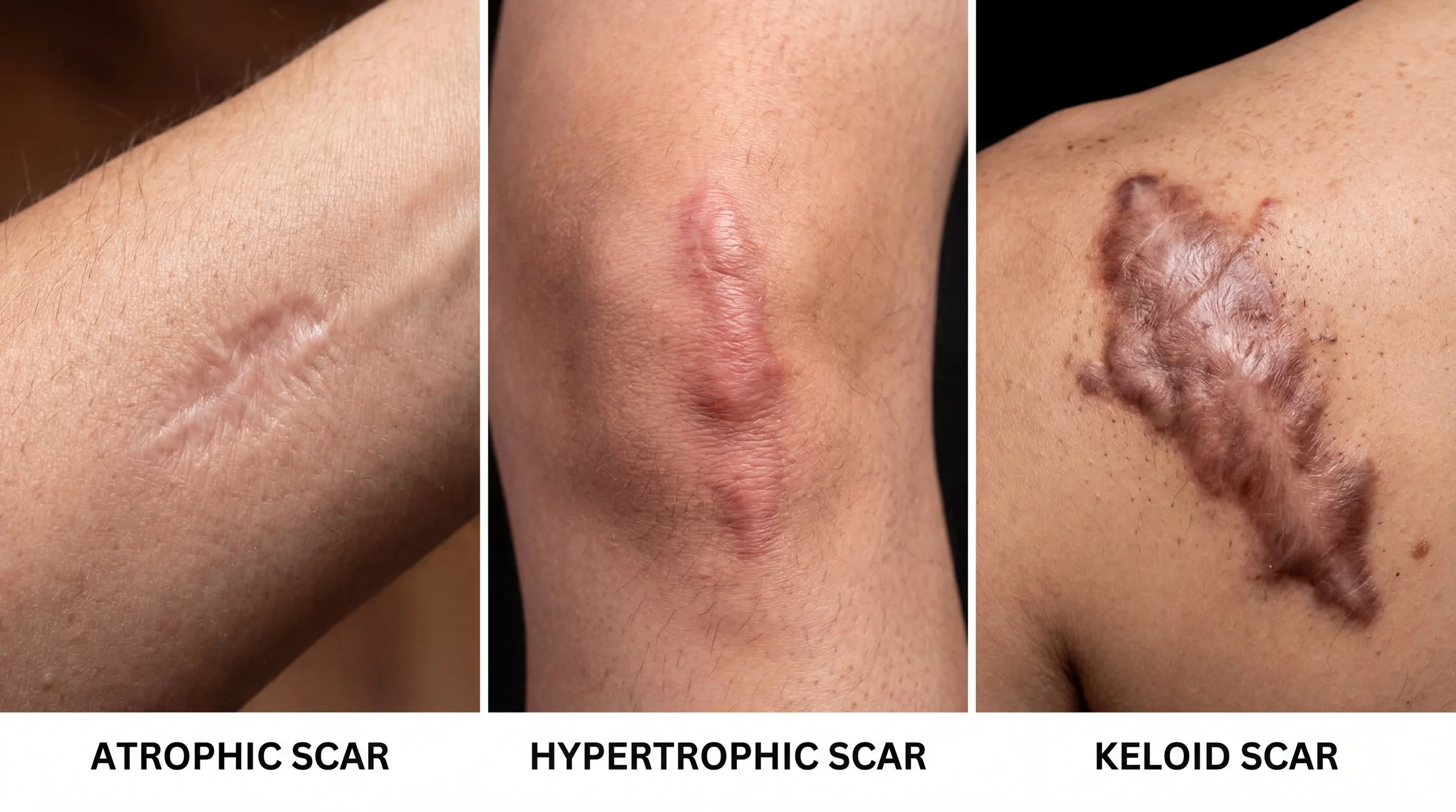
Types of scars - atrophic scar, hypertrophic scar, keloid scar - scar camouflage suitability guide
Scar camouflage can help with a wide range of scarring, including post-surgical scars (from cosmetic, or reconstructive surgery), accident and trauma scars, burn scars where the skin has healed flat, self-harm scars, and stretch marks in some cases.
The technique works best on mature, stable scars that have fully healed and are no longer changing in colour or texture. Scars that are still red, inflamed, or less than twelve months old are generally not suitable for treatment.
Who Is Not Suitable?
Not every scar can or should be treated with camouflage. Keloid scars, hypertrophic scars that are still actively raised, and scars on skin with active conditions such as eczema or psoriasis may not be appropriate candidates. Dark or hyperpigmented scars also present challenges, as micropigmentation works by adding pigment rather than removing it.
At AK Paramedical Studio, every case is assessed individually before any treatment begins. If a scar is not suitable for camouflage, the client is told honestly and may be referred for alternative treatments such as laser therapy.
What to Expect During Treatment
The first appointment is always a consultation. The scar is examined, photographed, and discussed in detail. Medical history is reviewed, and a realistic expectation is set. Not every scar can be made invisible, but most can be significantly improved.
Treatment sessions typically last between one and three hours depending on the size and complexity of the scar. A topical anaesthetic is applied to minimise discomfort. Multiple sessions may be needed, spaced several weeks apart, to build colour gradually and achieve the best result.
Aftercare is straightforward: the area should be kept clean and dry, protected from sun exposure, and not subjected to any aggressive skincare products during healing.
How Long Do Results Last?
Scar camouflage results are long-lasting, typically three to five years or more, though this varies depending on the location of the scar, the client's skin type, sun exposure and lifestyle factors. A maintenance session may be needed after several years to refresh the colour as natural fading occurs.
Why Choose a Specialist?
Scar camouflage sits at the intersection of clinical knowledge and artistic skill. Working with scar tissue is fundamentally different from working with healthy skin: the pigment behaves differently, the healing is less predictable. Choosing a practitioner with specific paramedical training and demonstrable experience with complex scarring is essential.
Anna Kovalchuk at AK Paramedical Studio holds a VTCT Level 4 qualification in micropigmentation and has over twelve years of experience specialising in complex paramedical cases. The studio is based at 226 York Road, London SW11.
Book a Consultation
If you are considering scar camouflage and would like to find out whether your scar is suitable for treatment, book a consultation at AK Paramedical Studio. Each case is assessed individually, with honesty about what can and cannot be achieved.
